
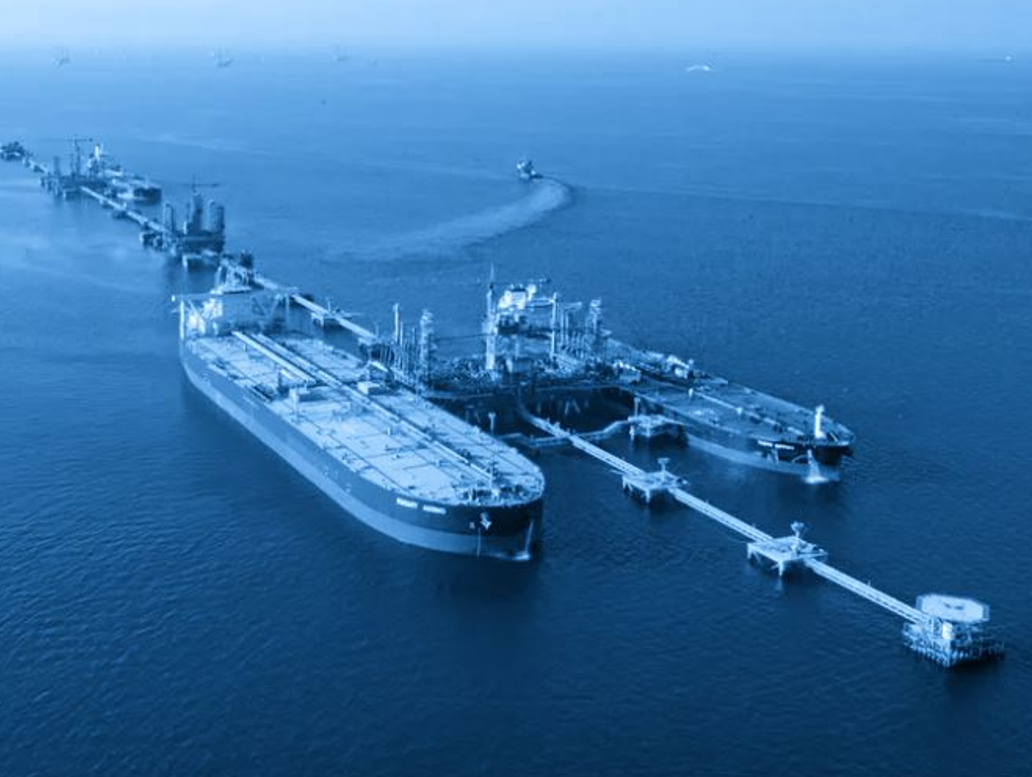
March delivered one of the most extraordinary freight markets in modern shipping history. The escalation of conflict in the Middle East culminated in a scenario many in shipping had long theorised but few expected to see materialise: the effective closure of the Strait of Hormuz.
The TD3C benchmark reacted intensely, with the index surging to unprecedented levels. Mid-month, the route briefly exceeded Worldscale 600, equating to earnings of over $600,000 per day. However, this spike needs to be treated with caution. The extreme move was driven by a lack of genuine market activity, inflated war-risk premiums, and fixtures that were either not repeatable or ultimately failed. A significant portion of what was reported as “freight” was, in reality, risk pricing rather than pure transport economics. That said, the strength seen outside the Arabian Gulf, where real fixtures did materialise, confirms that the market is operating at levels never previously experienced.
Arabian Gulf and regional adjustments
Activity within the Arabian Gulf itself became extremely limited, with many March cargoes delayed or cancelled as vessels were unwilling or unable to transit the Strait of Hormuz. Alternative export points, such as Fujairah and Mina Al Fahal, grew in importance, though still within a broader high-risk regional framework.
Saudi Arabia has responded to the disruption by maximising flows through its East-to-West pipeline, redirecting crude to Yanbu in the Red Sea. This pivot is clearly reflected in the data – Red Sea loadings jumped from an average of 17 compliant monthly liftings to 50 in March, with more than 40 liftings already booked for April. While this alternative provides partial outlet for supply, transit risks remain elevated due to ongoing Houthi activity near the Bab el-Mandeb. The market has effectively split into two tiers – owners willing to engage in higher-risk regional liftings, and those avoiding the area entirely.
Atlantic basin dynamics
The Atlantic Basin saw mixed early-month activity. West Africa experienced a softer start as more vessels ballasted from the East to seek safer employment, yet underlying demand remained robust, supported by Asian refiners seeking alternative crude sources. Brazil followed a similar trajectory, with increased vessel availability weighing on sentiment initially. However, as tonnage availability adjusted, the region emerged as a key alternative supply route. Short-term volatility persists, but the Atlantic is increasingly important in offsetting disrupted Middle Eastern flows.
US Gulf – A surge in forward fixing activity
The US Gulf has been one of the most dynamic regions. While March initially saw fixture failures and operational uncertainty, activity surged mid-month across all the crude tanker segments, with enquiry and rates rising sharply. Freight for VLCC voyages to the Far East increased by over $6 million within a matter of days, reaching mid-$20 million and in some cases $29 million.
Much of this fixing activity was for April loadings. Currently, 40 VLCC liftings are booked from the US Gulf for April, compared with a baseline average of 27 monthly liftings. At the same time, global responses to the Middle East conflict, and the resulting disruption to oil supply, have begun to emerge. The IEA announced the release of approximately 400 million barrels from strategic reserves while in a further attempt to stabilise flows, the US has temporarily waived sanctions on Russian oil already in transit until 11th April.
Emerging growth in VLCC activity
Another notable development is the return of Venezuelan barrels to mainstream markets. After a number of years with only sanctioned trade from Venezuela, March and April saw 7 and 6 compliant VLCC liftings, respectively, underscoring a broader trend of increased activity outside traditional Gulf pathways.
Looking ahead
These developments may provide some relief to supply concerns, but the immediate impact on freight markets has been one of extreme volatility, operational complexity and heightened counterparty risk. With tonnage dislocated, trade flows shifting and risk premiums embedded in pricing, the market remains highly reactive. Agility will be key in the coming weeks, but March will likely be remembered as a defining moment for the tanker market.